Designing WhatsApp for low-literacy parents
Three rounds, 61 families.
The big picture
I owned the product design and experiments for Bol Sathi, a WhatsApp story program from Dost Education, a YC-backed edtech, for parents of children aged 0 to 6 in Uttarakhand. I ran it as three rounds of experiments, built it on Glific, and decided what to measure.
Why it matters
Dost's flagship Parvarish program is a one-minute voice call. It reaches families with no smartphone, but it is one-way: parents can't ask questions and we can't share video. Many families already had WhatsApp, so the question was whether it could do more.
By the numbers
- 64–79%
- Opt-ins across activities 2 to 9 in round 3, up from below 50% in round 1.
- 61
- Families in round 3: three weeks, nine activities, five locations.
- 78%
- Of children were very excited to get stars and stickers; 66% of caregivers were too.
- 85%
- Of families found the opening messages easy to understand.
- 73%
- Of planned home visits completed (35 of 48), at three families a day.
Step 1, go to the families
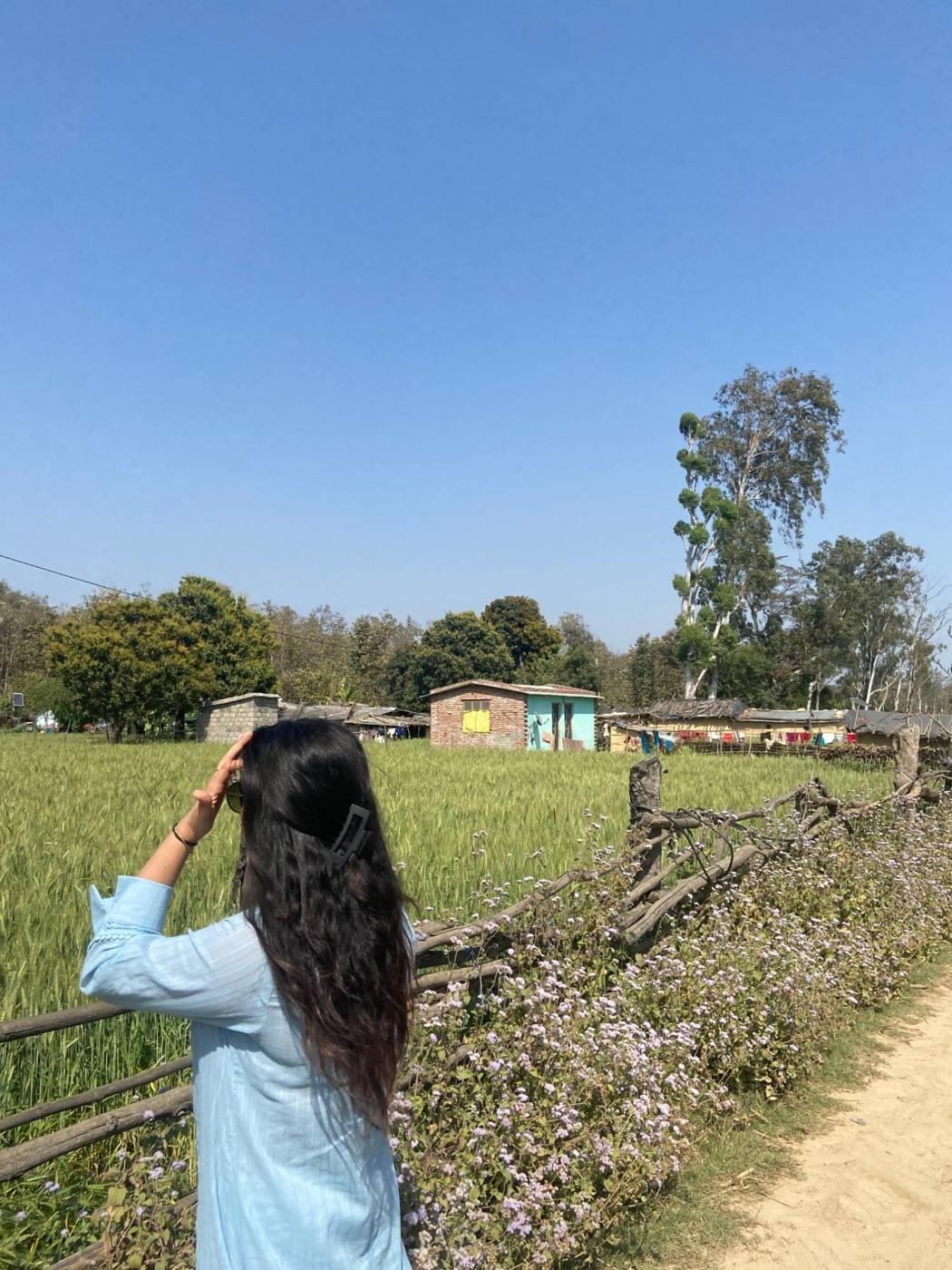
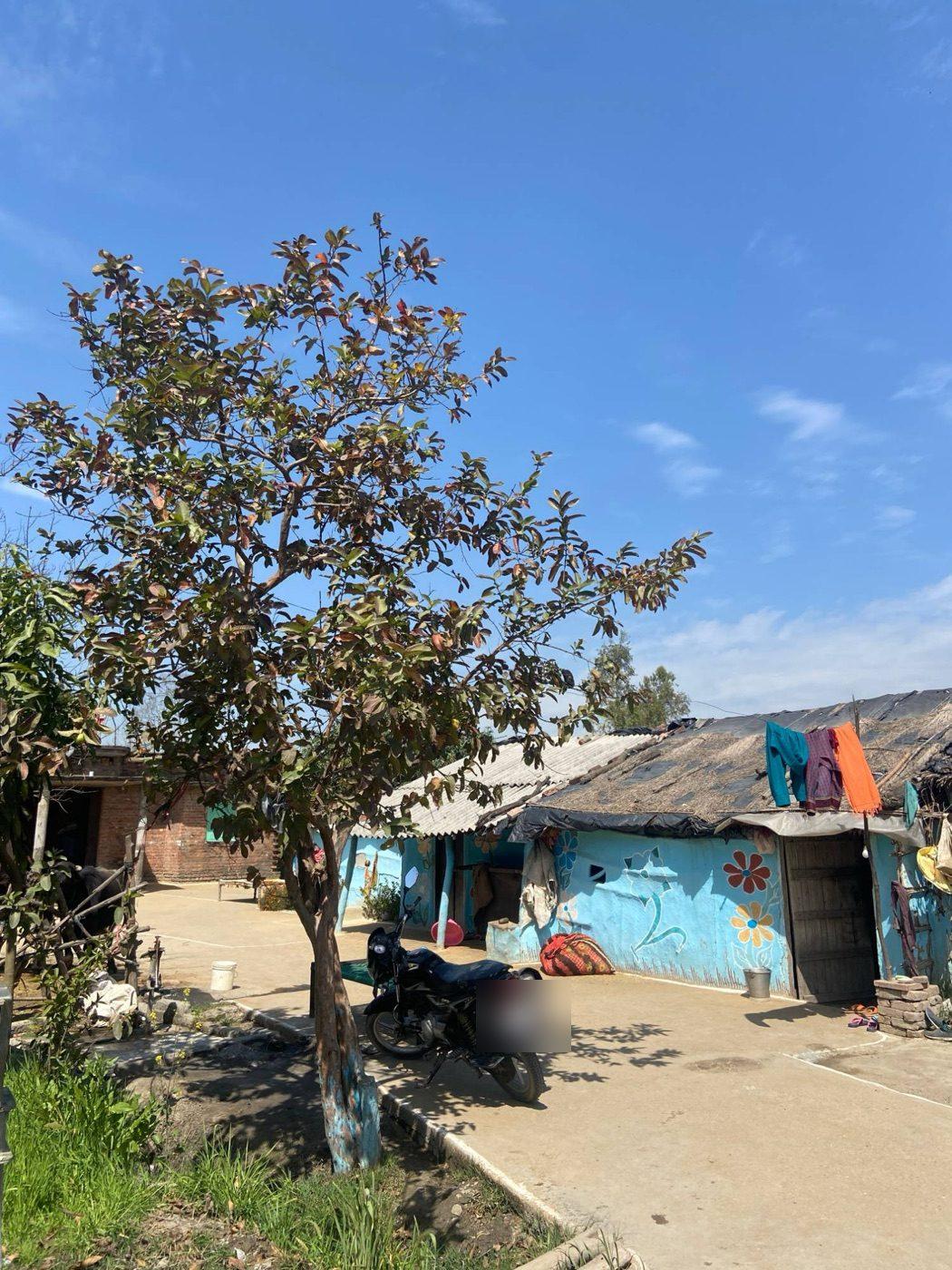
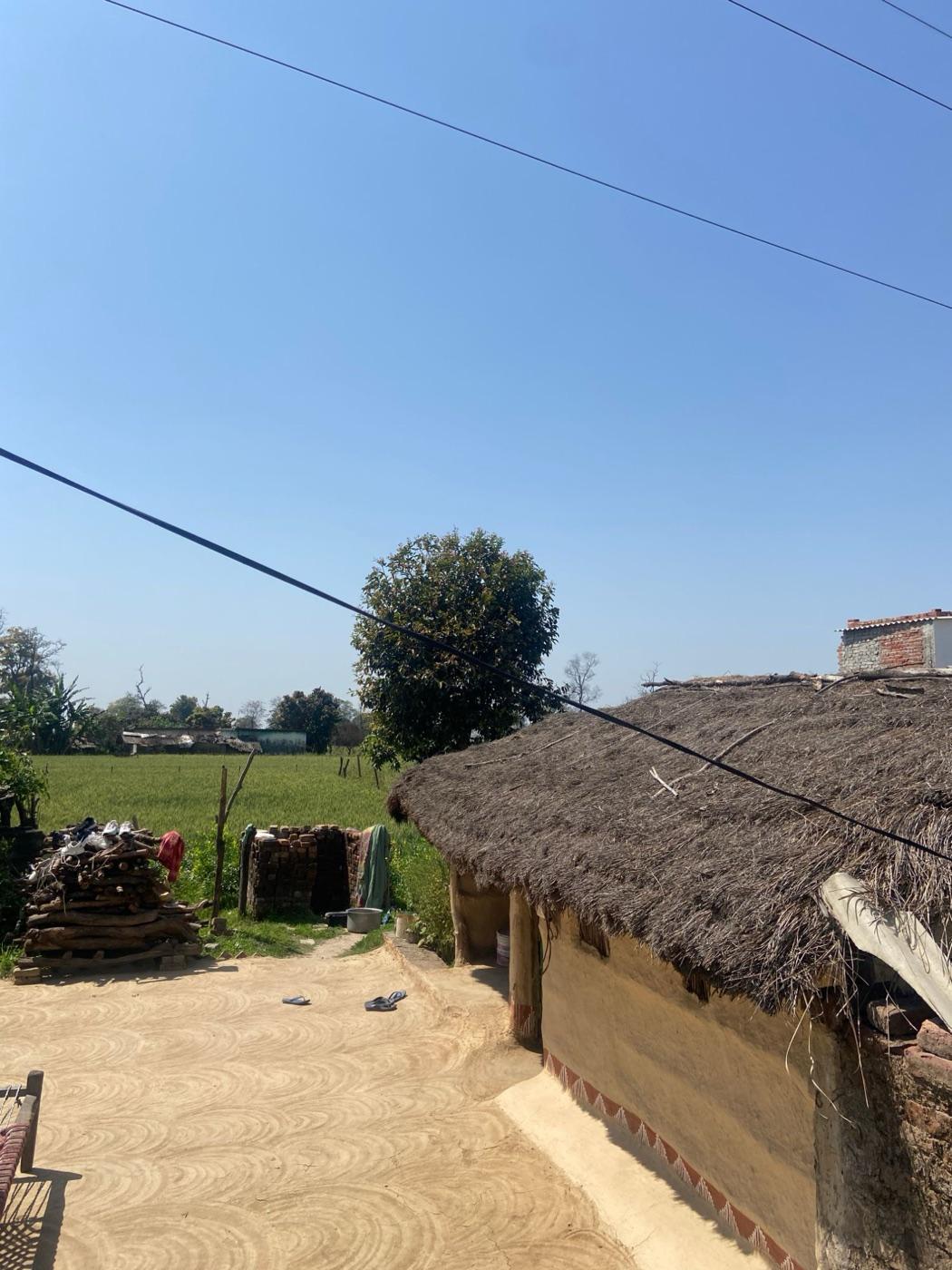
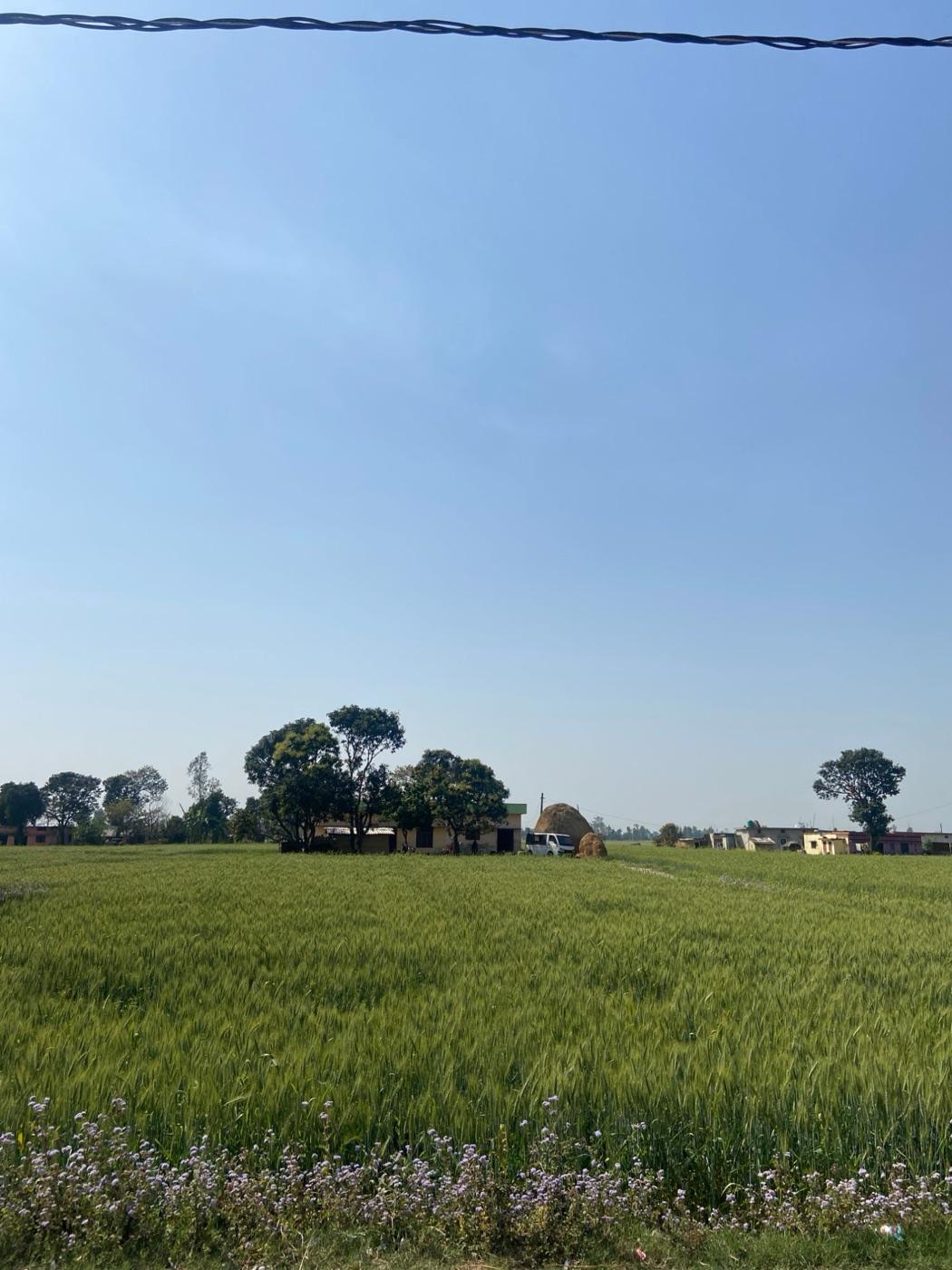
Phone interviews could not show family structure, daily routines or who holds the phone. So my team and I spent five days in two tier 2 cities, mixing structured interviews, observation with the children and open conversation. We learned who has a phone and when, how little time a parent caring for a toddler alone has, and that YouTube was often the main educational resource.
The decision: build the video content for the child, guided by the parent, not aimed at the parent.

Step 2, turn questions into hypotheses
- Content Better onboarding and home visits, more visuals and sound, and a problem, attempt, solution structure for each video.
- Product Rewards for children and parents, and a mid-week check-in call.
- Operations The field team can run onboarding and home visits at scale. Round 2 had only 16 to 17 families, so round 3 tested this properly.
Step 3, design the flow
Each week had one story, shared as three short videos with audio support messages, sent at 12 pm on three fixed days. Every activity followed the same steps: opt-in message, video, support message, a question on whether they had watched, a sticker, a thank-you. Off WhatsApp, a team member made a mid-week call and a home visit each week.
Four design choices, and what each cost
- Teach the interaction. A team member onboarded each family in person, because a parent who cannot tap "yes" never starts. Activity 1 went out during that visit and all 61 families started it. Cost: field-team time.
- Happy path first, then the edges. Parents who did not opt in got a follow-up message. Each time it went to 20 to 38 families, and 4 to 17 of them then started, adding 7% to 28% of all families. Cost: more reminders can feel like spam, so I spaced messages apart.
- Rewards tied to an action. A sticker went out only after a parent confirmed watching, and the star count matched videos watched. Cost: the confirmation was the parent's own word, a signal and not proof.
- Content shaped by responses. Stories kept the problem, attempt, solution pattern, an animal theme and two to three minutes. When parents struggled to say what the audio messages were about, we made them shorter and, in week 3, sent them as video. 90% of caregivers said their child learnt something new.
What I measured
Flow start % (did the parent opt in) and flow success % (did they confirm watching) for every activity, plus weekly retention. For rewards, a 1 to 5 excitement score. For operations, home visits per day and why families dropped out.
Yes, but
- Completion slid to about 48% by the ninth activity, and only about 24% of caregivers said they watched with their child.
- Some of what parents told us did not match the data. Home visits showed some had never opted in.
- About 19% of primary caregivers (12 families) had no phone of their own and used their husband's.
- Our review credited onboarding, image messages and rewards together, so I can't credit one change alone.
What this shows
- Research that changed the product, not just informed it.
- Hypothesis-driven experiments across three rounds, each one set up by the last.
- Design choices with stated trade-offs.
- Metrics tied to decisions, and the discipline to check data before trusting what people say.
- Planning for operations at scale, not only the product.
What's next
With LLMs, a parent could send a Hindi voice note and get an immediate, personalized answer, which is also easier for them. I would keep it narrow: answers only from approved content, a handoff to a person when unsure, and the same rounds of experiments before any wider release.